

Overview
Paygent is a specialized, usage-based billing platform designed exclusively for AI voice agents. If you are building voice agents for clients or offering them as a SaaS product, calculating margins across different AI providers (LLMs, TTS, STT, and Speech-to-Speech models) can be incredibly complex. Paygent solves this by serving as your centralized billing engine.How you charge your customers
Instead of building custom tracking infrastructure, you simply connect your Dograh workflow to Paygent. As your agents handle calls, Dograh passively calculates the exact multimodal token usage and audio duration. This data is securely exported to Paygent after every call, where your custom pricing margins (rate cards) are applied. This seamless flow allows you to automatically invoice your end-users for the exact infrastructure they consume — turning your AI agents into a scalable, profitable business with zero engineering overhead.Prerequisites
- A Paygent account
- A Dograh voice agent workflow
Setup
1. Create an agent and configure pricing in Paygent
Before connecting Dograh, you must register your agent in Paygent and define how you want to charge your customers. Log in to Paygent and click Create Agent. You will be prompted to define your agent’s core details, including the Agent Name and Agent ID: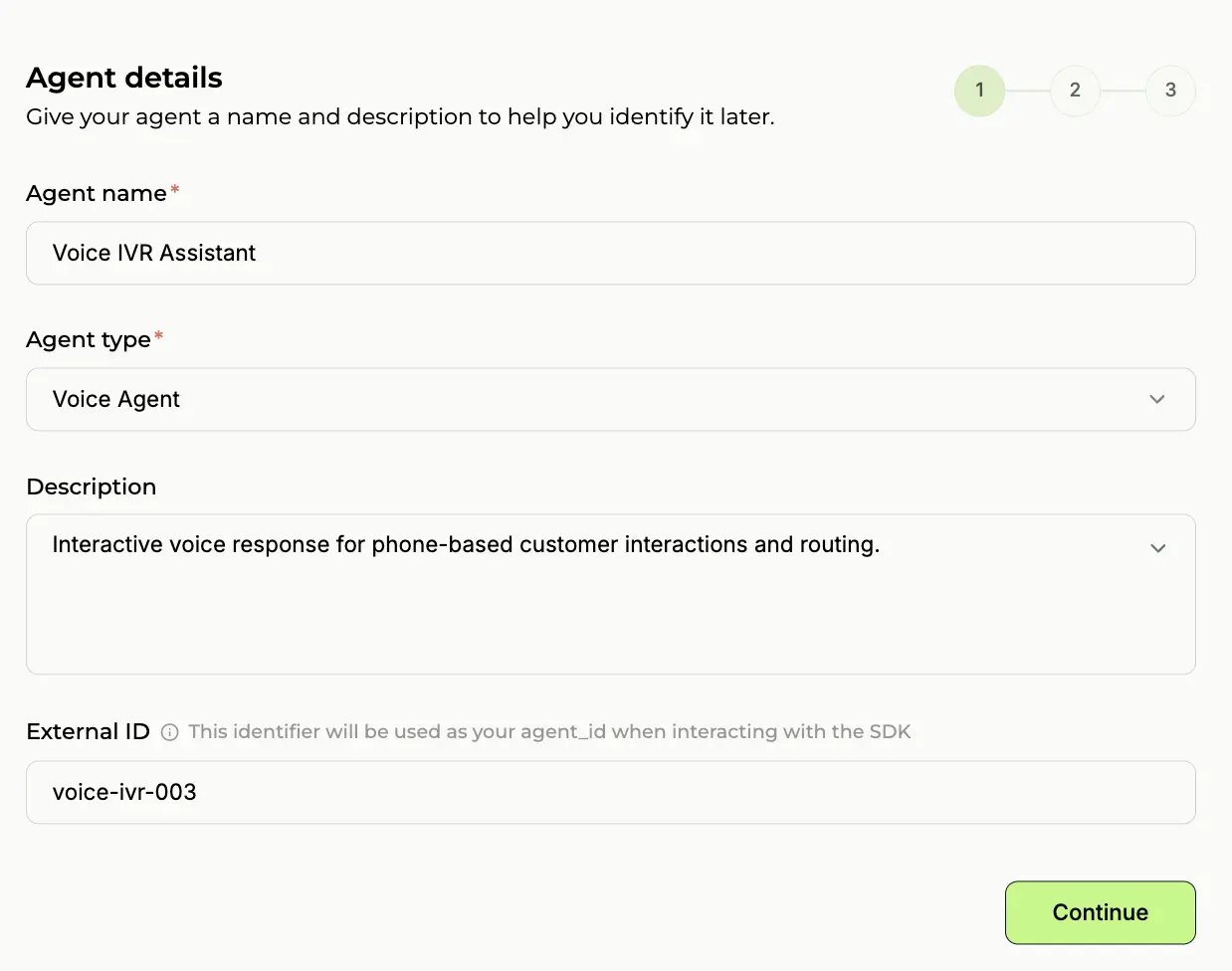
per-minute-call) to tell Paygent which rate to apply for this agent’s calls:
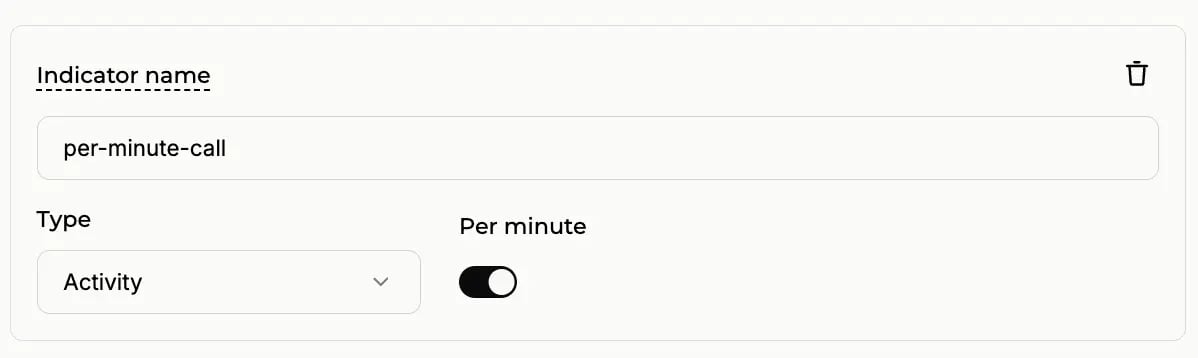
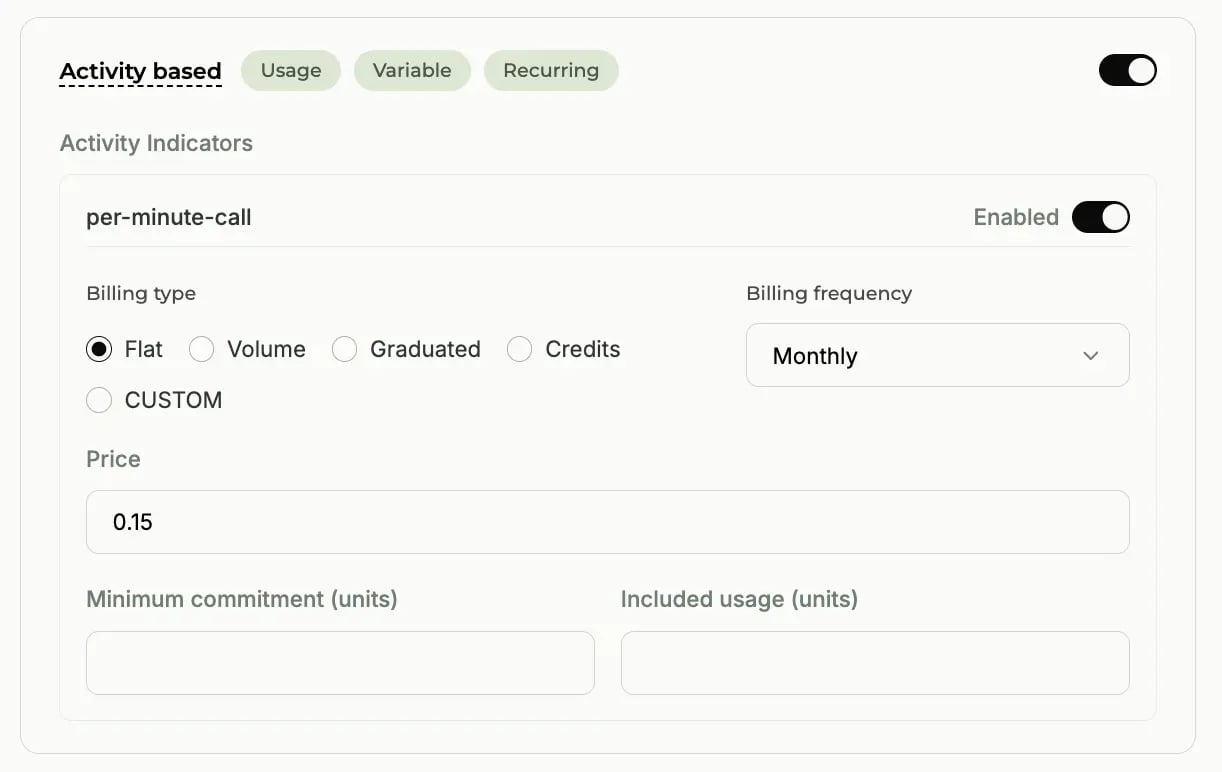
2. Gather your Paygent credentials
You’ll need three core values from your Paygent dashboard to link your Dograh agent:3. Add the Paygent node to your workflow
In your Dograh workflow editor, click Add node and scroll to the Integrations section. Select Paygent. The node will appear on your canvas with a Not configured badge.4. Configure the node
Click on the Paygent node and fill in the following fields:- Paygent API Key — Your
pg_live_...secret key - Agent ID — The unique agent identifier from Paygent
- Customer ID — Your Paygent organisation ID
- Indicator — The billing event name (defaults to
per-minute-call) - Enabled — Toggle on to activate the export
5. Verify the connection
Make a test call through your agent. Once the call completes, check your Paygent dashboard. The billing event and detailed multimodal usage breakdown should appear under your configured Agent ID within a few moments, with your configured pricing margins automatically applied.Disabling the integration
To temporarily stop exporting usage data to Paygent, open the Paygent node configuration and toggle Enabled off. Your credentials are preserved — toggle it back on anytime to resume tracking.Troubleshooting
Learn more
- Paygent — Usage-based billing platform for AI agents